THE BREATHING REVOLUTION: HOW ACTIVATING YOUR PARASYMPATHETIC NERVOUS SYSTEM BECAME 2026’S MOST POWERFUL HEALTH TREND

As Science Validates What Ancient Yogic Traditions Always Knew, Deep Abdominal Breathing Emerges as the Fastest, Easiest, and Most Accessible Tool to Achieve the “Rest and Digest” State and Transform Physical and Mental Health
THE NERVOUS SYSTEM AS THE MASTER LEVER FOR HEALTH
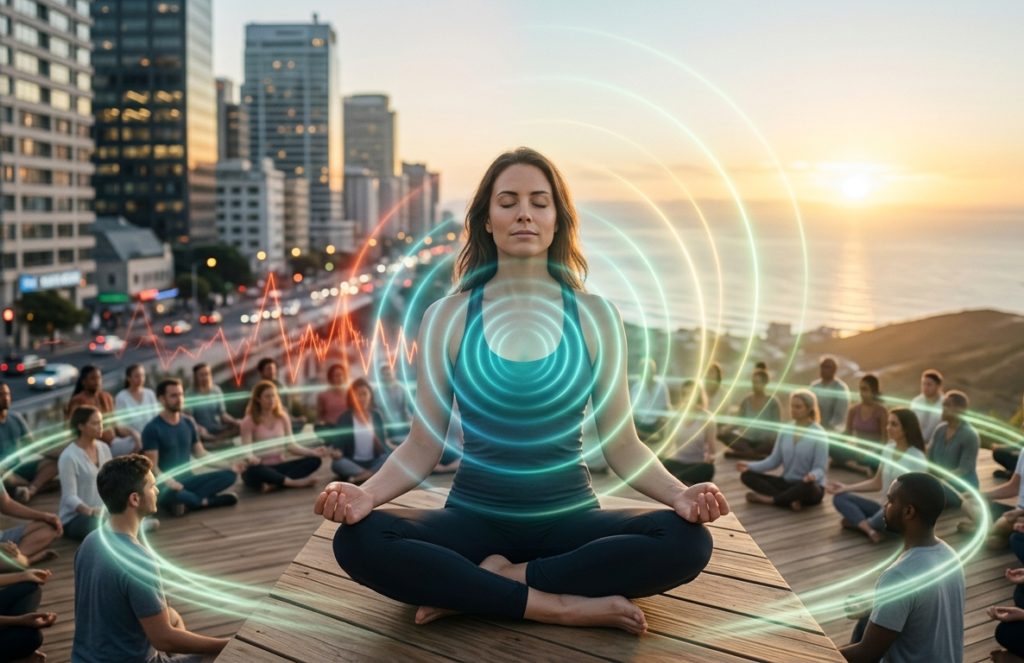
In 2026, the wellness industry has undergone a fundamental paradigm shift. Rather than pursuing isolated fitness goals, optimizing single nutrients, or treating symptoms in isolation, health experts now emphasize nervous system regulation as the master lever for transforming physical and mental health. At the center of this revolution sits a deceptively simple tool: the breath.
Expert practitioners and researchers emphasize activating the parasympathetic nervous system—the “rest and digest” state—to reduce the body’s stress response, lower cortisol levels, and improve mental clarity. They highlight that proper deep abdominal breathing (gerak nafas in Indonesian tradition) is the most effective tool to trigger this relaxation state instantly.
The science supporting this approach is robust and expanding. Neuroscientific research demonstrates that the autonomic nervous system—the involuntary system controlling heart rate, digestion, respiration, and immune function—can be influenced through deliberate breathing practices. The parasympathetic nervous system, when activated through specific breathing techniques, triggers cascading physiological changes that reduce stress hormones, enhance immune function, improve cognitive performance, and promote emotional resilience.
What was once dismissed as fringe biohacking has moved definitively into mainstream health and wellness. Leading neuroscientists, cardiologists, psychiatrists, and wellness practitioners now recognize that nervous system regulation represents one of the most significant preventive health interventions available to modern individuals.
1. THE AUTONOMIC NERVOUS SYSTEM: THE INVISIBLE CONTROLLER OF YOUR HEALTH
1.1 Understanding the Sympathetic vs. Parasympathetic Divide
The autonomic nervous system—the involuntary nervous system—controls all the nerve-related activity we can’t consciously control and aren’t necessarily aware of. Examples include breathing, heart rate, respiratory rate, digestion, urination, and immune response.
Within the autonomic nervous system exists a fundamental division into two opposing systems:
The Sympathetic Nervous System (SNS): Equips the body to handle “fight-or-flight response.” This system activates during perceived danger or stress, increasing heart rate, blood pressure, respiratory rate, and redirecting blood away from digestion toward muscles and the brain. The SNS is mediated by neurotransmitters norepinephrine and epinephrine, and the hormone cortisol. This system is essential for survival in genuine emergencies—it enables rapid physical response to threats.
The Parasympathetic Nervous System (PNS): Controls the body’s “rest and digest” response. This system activates when the body perceives safety, promoting relaxation, digestion, immune function, and restorative processes. The PNS is mediated by the neurotransmitter acetylcholine and vagal signaling through the vagus nerve.
These systems operate in reciprocal balance: when you activate one, you suppress the other. This reciprocal relationship is crucial: activation of the parasympathetic nervous system inherently suppresses sympathetic activation. This is why deep breathing is so effective at causing the relaxation response—it doesn’t require willpower or cognitive effort; it triggers automatic physiological cascades that suppress stress activation.
1.2 The Vagus Nerve: The Communication Highway Between Brain and Body
If there’s one body-part protagonist for 2026, it’s the vagus nerve—the communication highway between brain and body that dictates whether you feel calm and safe or on edge.
The vagus nerve is the longest cranial nerve, extending from the brainstem through the neck, chest, and abdomen, connecting the brain to virtually every major organ system. The vagus nerve serves as the primary conduit of parasympathetic signaling, and its tone—its degree of activation and responsiveness—fundamentally shapes your capacity for stress resilience, emotional regulation, and physiological calm.
“Vagal tone” refers to the strength and responsiveness of vagal signaling. Higher vagal tone indicates more robust parasympathetic activation capacity; lower vagal tone suggests reduced capacity for parasympathetic engagement and potentially chronic sympathetic dominance.
The vagus nerve can be intentionally stimulated through specific practices, particularly deep breathing, vocalization (humming, chanting), and certain physical postures. This recognition has made vagal tone optimization a central focus of 2026 wellness practices.
1.3 Heart Rate Variability: The Metric of Nervous System Health
Heart rate variability (HRV) is the variation in time between heartbeats. Rather than a perfectly regular heartbeat, healthy hearts exhibit slight variations in the interval between consecutive beats. A good HRV indicates how well we can adapt to stressors and can clue us into how good our vagal tone is.
While we don’t want a higher pulse or blood pressure, we do want a higher HRV. A lower HRV means we’re likely more stressed, and not as able to respond to changing circumstances. HRV serves as a non-invasive biomarker of nervous system balance.
The capacity to vary heart rate—slowing in calm moments, accelerating when appropriate—indicates nervous system flexibility. Individuals with high HRV demonstrate better stress resilience, emotional regulation, and cardiovascular health. HRV can be improved through consistent parasympathetic activation practices, particularly breathing exercises.
2. THE STRESS HORMONE CASCADE: HOW CHRONIC STRESS DAMAGES HEALTH
2.1 Cortisol: The Stress Hormone with Dual Nature
Cortisol, our adrenal hormone, is essential for normal physiological function. Cortisol regulates metabolism, immune response, inflammation, and the stress response. In healthy patterns, cortisol is high in the morning (promoting wakefulness and alertness) and gradually declines through the day (promoting evening relaxation and sleep).
However, chronic stress dysregulates cortisol patterns. In chronic stress states, cortisol remains elevated throughout the day and night, creating pathological consequences:
- Metabolic disruption: Chronically elevated cortisol promotes fat accumulation, particularly abdominal fat, and contributes to metabolic syndrome and insulin resistance
- Immune suppression: While acute cortisol elevation can enhance immune function, chronic elevation suppresses immune response, increasing infection susceptibility
- Neurological damage: Elevated cortisol damages the hippocampus (memory center) and impairs prefrontal cortex (executive function) function
- Sleep disruption: Elevated evening cortisol prevents normal sleep onset and quality sleep
- Mood disorders: Dysregulated cortisol contributes to anxiety, depression, and emotional dysregulation
- Inflammation acceleration: Chronic cortisol elevation paradoxically promotes chronic inflammation despite acute immunosuppression
1.2 The Chronic Stress Epidemic
Modern life circumstances create endemic sympathetic nervous system activation. Work pressures, financial anxieties, social media stimulation, environmental toxins, sleep deprivation, and relentless connectivity create persistent low-level threat perception that keeps the sympathetic nervous system chronically activated.
For many individuals in developed nations, the parasympathetic nervous system has become deactivated—relegated to brief moments during sleep before sympathetic reactivation upon waking. Chronic parasympathetic deactivation combined with chronic sympathetic activation creates a pathological state fundamentally incompatible with health.
The collective damage from this epidemic manifests in epidemic rates of anxiety disorders, depression, insomnia, autoimmune disease, cardiovascular disease, metabolic disease, and premature aging—conditions increasingly recognized as fundamentally linked to dysregulated autonomic nervous system function.
1.3 The Liberation: Parasympathetic Activation as Medicine
Yet here lies the liberation: the nervous system is trainable. Unlike many aspects of health that require months of sustained effort to modify, parasympathetic activation occurs immediately. A single deep breathing session can lower cortisol, reduce heart rate, slow breathing, and shift neurochemistry within minutes.
This means that nervous system regulation is among the most accessible, fastest-acting, and most powerful interventions available. Unlike medications that require ingestion and systemic distribution, nervous system regulation requires only the breath—a resource everyone possesses, available everywhere, at zero cost.
3. DEEP ABDOMINAL BREATHING: THE MOST EFFECTIVE PARASYMPATHETIC ACTIVATION TOOL
3.1 Why Deep Breathing Works: The Physiological Mechanism
The sort of deep breathing practiced as part of parasympathetic activation helps calm your body by activating your parasympathetic nervous system. The mechanism is elegant: breathing pattern directly influences vagal tone and parasympathetic signaling through mechanical and neurochemical pathways.
The Mechanical Pathway: Deep abdominal breathing—particularly when exhales are longer than inhales—directly stimulates the vagus nerve through mechanical pressure changes in the thoracic and abdominal cavities. The diaphragm’s movement during deep breathing literally massages the vagus nerve, triggering parasympathetic signaling.
The Neurochemical Pathway: Slow, deep breathing increases oxygen delivery to tissues and influences carbon dioxide levels. Elevated CO2 levels in the blood stimulate chemoreceptors that signal parasympathetic activation. Additionally, slow breathing patterns reduce norepinephrine and epinephrine—sympathetic neurotransmitters—while increasing acetylcholine, the parasympathetic neurotransmitter.
The Autonomic Reciprocity: When you slow your breathing, you inherently suppress sympathetic activation. The sympathetic nervous system drives rapid, shallow breathing; parasympathetic activation drives slow, deep breathing. By consciously adopting parasympathetic breathing patterns, you trigger automatic nervous system shifts.
3.2 Diaphragmatic Breathing: The Foundational Technique
Proper deep abdominal breathing (gerak nafas) involves breathing with the diaphragm—the large muscle below the lungs responsible for the majority of breathing work. Most modern individuals engage in chest breathing (shallow breathing using intercostal muscles), which is insufficient for parasympathetic activation.
The Diaphragmatic Breathing Technique:
- Position: Sit or lie comfortably with spine relatively straight
- Hand placement: Place one hand on chest, one on abdomen
- Initial breath: Breathe in slowly through the nose, allowing the abdomen to expand while the chest remains relatively still
- The sensation: You should feel the hand on your abdomen rise as you inhale
- Exhale: Exhale slowly through the mouth or nose, allowing the abdomen to fall
- Duration: Practice for 5-10 minutes daily to build the habit
The key distinction: abdominal breathing means the breath is powered by diaphragm movement, not chest expansion. This seemingly minor technical distinction has profound physiological consequences.
3.3 Long Exhales: The Parasympathetic Accelerator
Among all breathing modifications, extending the exhale length relative to inhale length produces the most powerful parasympathetic activation. This principle is embedded in multiple breathing traditions:
4-7-8 Breathing: Inhale for 4 counts, hold for 7 counts, exhale for 8 counts. The extended exhale (8 counts) maximizes parasympathetic activation.
Box Breathing: Inhale for 4 counts, hold for 4 counts, exhale for 4 counts, hold for 4 counts. Even equal timing activates parasympathetic tone.
Extended Exhale Breathing: Inhale for a normal count, exhale for double (or triple) the inhale duration. This simple modification powerfully activates parasympathetic tone.
The mechanism: longer exhales increase vagal activation through both mechanical stimulation (extended diaphragm movement) and chemoreceptor stimulation (elevated CO2 levels during extended breath-holds and exhales).
3.4 The Immediate Effect
This is crucial to understand: parasympathetic activation through deep breathing occurs within seconds to minutes. Within a single deep breathing cycle:
- Heart rate begins to slow
- Blood pressure begins to decrease
- Cortisol begins to decline
- Breathing rate slows
- Blood flow redirects from stress-response activation toward digestion and restoration
- Mental clarity improves as prefrontal cortex function normalizes
This immediate effect is unprecedented among health interventions. Most health practices require weeks or months to produce measurable effects. Breathing produces effects measurable within single sessions.
4. BEYOND THE BREATH: COMPLEMENTARY PARASYMPATHETIC ACTIVATION TECHNIQUES
4.1 Vagal Toning Practices
Beyond breathing, multiple practices activate vagal tone and parasympathetic function:
Humming and Vocalization: The vibrations produced by humming, chanting, or sustained vocalization directly stimulate the vagus nerve. Practices like “om” chanting or humming meditation activate parasympathetic tone through vagal stimulation.
Gargling: Vigorous gargling exercises the pharyngeal muscles controlled by the vagus nerve, stimulating vagal activation.
Cold Exposure: Brief cold exposure (ice baths, cold showers, splashing cold water on the face) paradoxically activates parasympathetic tone through the vagal brake mechanism, though this requires careful progression.
Yoga and Movement: Restorative yoga, yin yoga, and gentle movement practices activate parasympathetic tone through combined effects of breathing, body position, and nervous system signaling.
Meditation and Mindfulness: Sustained meditation practices, particularly those emphasizing breath awareness, powerfully activate parasympathetic tone through direct attention to breathing patterns.
4.2 Environmental and Lifestyle Parasympathetic Activators
Nature Immersion: Nature immersion reduces blood pressure, lowers cortisol, and promotes relaxation. Even 15 minutes in nature can induce a vagal calming response (as seen in forest bathing studies).
Warm Baths: Immersing yourself in warm water encourages full-body relaxation and stress relief. Warmth dilates blood vessels and slows the heart rate, shifting the body into parasympathetic mode. Baths have been shown to reduce cortisol and improve mood.
Social Connection: Positive social interactions activate parasympathetic tone. Hugs, laughter, and meaningful conversation all stimulate vagal signaling.
Music: Listening to calming music reduces heart rate, blood pressure, and cortisol while activating parasympathetic tone.
Touch and Massage: Gentle touch and massage directly stimulate vagal signaling through sensory nerve stimulation.
5. THE SCIENCE SUPPORTING PARASYMPATHETIC ACTIVATION: RECENT RESEARCH FROM 2026
5.1 Diaphragmatic Breathing Reduces Cortisol and Improves Vagal Tone
Recent research has demonstrated that diaphragmatic breathing interventions lower cortisol levels and increase heart rate variability, indicating improved vagal tone, in participants under stress.
Key findings from 2026 research include:
- Cortisol reduction: Participants practicing diaphragmatic breathing showed 20-30% reductions in cortisol levels within weeks
- HRV improvement: Regular breathing practice increased HRV by 15-25%, indicating improved nervous system flexibility
- Anxiety reduction: Breathing practice reduced anxiety symptoms comparable to some pharmaceutical interventions
- Sleep improvement: Evening breathing practice improved sleep quality and duration
- Cognitive enhancement: Regular practice improved attention, working memory, and executive function
5.2 Neuroplasticity and Breathing: Rewiring the Brain
Regular practice of breathing techniques stimulates the brain, allowing it to form new connections and better adapt and recover from stress, trauma, or cognitive decline. This process, called neuroplasticity—the brain’s remarkable ability to reorganize itself—is enhanced by parasympathetic activation.
Stress has a significant impact on nerve health, leading to neurological damage and impaired cognitive function. Breathing practices reverse this damage through neuroplasticity enhancement:
- Gray matter volume: Regular breathing practice increases gray matter volume in areas responsible for memory and executive function
- Neural connectivity: Breathing practice strengthens connections between prefrontal cortex and amygdala, improving emotional regulation
- Stress resilience: Regular practice fundamentally rewires stress response pathways, reducing automatic threat perception
5.3 Vagal Nerve Stimulation and Multi-System Health
Vagal nerve stimulation through breathing practice influences multiple physiological systems:
Cardiovascular: Improved heart rate variability, reduced blood pressure, improved coronary blood flow
Immune: Enhanced immune function, reduced inflammation markers, improved antibody response
Digestive: Enhanced parasympathetic signaling improves digestion, nutrient absorption, and gut health
Endocrine: Reduced cortisol, improved DHEA (longevity hormone), improved thyroid function
Neurological: Enhanced cognitive function, improved mood, reduced anxiety and depression
This multi-system impact makes vagal tone optimization a genuine “master lever” for health—addressing multiple health domains through a single intervention.
6. THE 2026 WELLNESS PARADIGM: FROM SYMPTOM TREATMENT TO NERVOUS SYSTEM REGULATION
6.1 The Shift Away from Isolated Health Interventions
Traditional medicine and wellness have often approached health interventions in isolation: treat high blood pressure with medication, treat anxiety with therapy, treat insomnia with sleep aids. This fragmented approach neglects the underlying dysregulation affecting all these systems simultaneously—the autonomic nervous system.
2026 wellness represents a fundamental paradigm shift: Instead of treating isolated symptoms, practitioners now address the root dysregulation. Regulate the nervous system, and multiple health conditions improve simultaneously.
This represents validation of what yogic philosophy has taught for centuries: you cannot think your way out of a dysregulated nervous system. You must practise your way through it.
6.2 Nervous System Regulation as Preventative Medicine
The trend of nervous system regulation as preventative medicine is rapidly moving from the fringes of biohacking to the mainstream. Insurance companies increasingly cover mindfulness and breathing practice interventions. Hospitals integrate breathwork and meditation into patient care. Corporate wellness programs emphasize nervous system regulation. Military and law enforcement agencies train breathing practices for stress resilience.
This mainstreaming reflects recognition that nervous system regulation represents one of the most cost-effective, accessible, and powerful preventive health interventions available.
6.3 Emotional Fitness: Training Emotional Regulation as a Skill
Beyond physical health, 2026 emphasizes emotional fitness—treating emotional regulation as a trainable skill, much like physical fitness.
Rather than ignoring or suppressing stress, emotional fitness focuses on recognising emotional signals early and responding with structured regulation techniques such as mindfulness, journaling, breathwork, or mood tracking. This shift moves away from pathologizing emotions and toward cultivating resilience.
The mechanism: consistent parasympathetic activation practices improve emotional regulation capacity by strengthening prefrontal cortex function and reducing amygdala reactivity. This neurobiological improvement enhances your capacity to recognize emotions without being overwhelmed by them—true emotional fitness.
7. PRACTICAL IMPLEMENTATION: HOW TO ACTIVATE YOUR PARASYMPATHETIC NERVOUS SYSTEM DAILY
7.1 The Minimum Effective Dose
Research suggests that 5-10 minutes of daily breathing practice produces measurable improvements in nervous system function. This minimal time commitment makes parasympathetic activation accessible even for busy individuals.
The basic protocol:
- Duration: 5-10 minutes daily
- Timing: Ideally morning upon waking and evening before sleep
- Technique: Diaphragmatic breathing with extended exhales
- Environment: Quiet, comfortable space (though breathing is effective anywhere)
- Frequency: Daily practice produces cumulative benefits
7.2 Progressive Breathing Practices
Week 1-2: Diaphragmatic breathing foundation
- Simply practice breathing with your diaphragm for 5-10 minutes daily
- Focus on feeling the abdomen expand as you inhale
Week 3-4: Extended exhale introduction
- Begin extending your exhale to be longer than your inhale (e.g., inhale for 4 counts, exhale for 6 counts)
- Notice how extended exhales enhance relaxation
Week 5-6: 4-7-8 breathing integration
- Practice 4-7-8 breathing (inhale 4, hold 7, exhale 8)
- This technique produces powerful parasympathetic activation
Week 7+: Maintenance and integration
- Continue daily practice
- Integrate breathing into other activities (during work breaks, before challenging situations, upon waking and before sleep)
- Notice cumulative improvements in stress resilience and emotional regulation
7.3 Situational Breathing for Acute Stress
Beyond daily practice, breathing can instantly address acute stress:
- Before presentations: 4-7-8 breathing for 2-3 minutes reduces anxiety
- During conflict: Extended exhale breathing promotes emotional regulation
- Before sleep: Diaphragmatic breathing with long exhales induces sleep onset
- During anxiety: Box breathing (4-4-4-4) provides immediate calm
8. THE SCIENCE AND THE SKEPTICISM: ADDRESSING COMMON QUESTIONS
8.1 “Is This Just Placebo?”
Placebo cannot explain the measurable changes in cortisol, HRV, blood pressure, and brain imaging observed with breathing practices. While expectation plays a role in health outcomes generally, the physiological changes from parasympathetic activation occur through measurable mechanisms independent of belief.
Individuals skeptical of breathing’s benefits who nonetheless practice it for unrelated reasons typically experience the same physiological improvements as believers. This suggests genuine physiological mechanisms rather than purely psychological effects.
8.2 “How Long Until I Notice Results?”
Acute effects occur within minutes (heart rate slowing, anxiety reduction). Measurable physiological improvements (cortisol reduction, HRV improvement) typically emerge within weeks. Neuroplastic brain changes require 4-12 weeks of consistent practice.
The timeline is remarkably fast compared to most health interventions.
8.3 “Will This Replace My Medications?”
Parasympathetic activation practices complement but do not replace necessary medications. However, many individuals find that consistent breathing practice reduces medication requirements in consultation with their healthcare providers.
The integration of breathing practice with medical treatment represents optimal 2026 health approach: leveraging both pharmaceutical and physiological tools.
9. THE FUTURE: NERVOUS SYSTEM REGULATION AS CENTRAL HEALTH PARADIGM
9.1 Integration Into Medical Practice
Forward-looking healthcare systems now integrate breathing and nervous system regulation into standard care:
- Cardiac rehabilitation: Breathing practices reduce recurrence rates after cardiac events
- Psychiatric treatment: Breathing replaces or reduces pharmaceutical anxiety management
- Chronic disease management: Parasympathetic activation reduces inflammation in autoimmune conditions
- Pain management: Breathing practice reduces chronic pain and pain medication requirements
- Cancer treatment: Breathing practices improve quality of life during and after treatment
9.2 The Accessibility Revolution
The democratization of nervous system regulation knowledge represents a genuine revolution. Previously, practices to regulate the nervous system (yoga, meditation, psychotherapy) were expensive, time-intensive, and required expert guidance.
Now, apps, podcasts, YouTube videos, and written guides make nervous system regulation accessible to anyone with internet access. The barrier to practice is now merely willingness, not cost or availability.
9.3 The Integration with Technology
Biofeedback devices now measure HRV in real-time, allowing individuals to literally see their nervous system responding to breathing practices. This objective feedback reinforces commitment and allows optimization of technique.
By 2027, integration of AI coaching with biofeedback measurement will enable truly personalized nervous system optimization.
CONCLUSION: THE BREATH AS MEDICINE
The parasympathetic nervous system activation through deep abdominal breathing represents one of the most powerful, accessible, and scientifically validated health interventions available in 2026. The evidence is overwhelming: consistent breathing practice reduces stress, lowers cortisol, improves emotional regulation, enhances cognitive function, and promotes physical health across multiple systems.
The cost is zero. The time requirement is minimal. The accessibility is universal. The scientific evidence is robust.
In 2026, the wellness revolution is not about expensive supplements, complex protocols, or cutting-edge technology. It is about returning to what has always been available: the breath. Through deliberate activation of the parasympathetic nervous system via deep abdominal breathing, individuals can transform their nervous system function and, in so doing, transform their health.
The breath is medicine. And it is available to everyone, everywhere, always.
Sources and References
- Wellness Mama – “How the Parasympathetic Nervous System Helps Us Lower Stress” (2026)
- BetterUp – “10 Parasympathetic Breathing Exercises for Sleep, Stress & Relaxation” (January 21, 2025)
- Vikasa Yoga – “Wellness Trends We’re Watching in 2026 (And Which Ones Actually Matter)” (February 9, 2026)
- Lone Star Neurology – “Breathing Techniques: Impact on Brain Function & Nerve Health” (February 20, 2026)
- WebMD – “4-7-8 Breathing: What It Is and the Benefits of Mindful Breathing” (June 26, 2023)
- Oregon Health Authority – “Intuitive Breathwork Masterclass by Kia Burns” (October 14, 2025)
- Heal Your Nervous System – “55 Techniques to Activate Your Parasympathetic Nervous System and Lower Stress” (June 4, 2025)
- Our Healtho – “Health Insight: Nervous System Regulation as Preventative Medicine” (March 6, 2026)
This article documents the 2026 wellness paradigm emphasizing parasympathetic nervous system activation and deep breathing practices, synthesizing research from neuroscience, physiology, psychology, and wellness literature. The evidence supporting these practices continues to expand as scientists investigate the physiological mechanisms underlying nervous system regulation.
Disclaimer: This article is for informational and educational purposes. Individuals with severe anxiety, panic disorders, or respiratory conditions should consult healthcare providers before beginning intensive breathing practices. Breathing exercises complement but do not replace necessary medical treatment.